Chateaubriand: A Literary Escape Through Italy (Edited by Jean-Marie Roulin)

Chateaubriand’s literary adventures in Italy, recounted in his seminal work, offer a unique perspective on the beauty and melancholy of this country. From his journey between June 1803 and January 1804, he collected memories that blend personal impressions with reflections on the passage of time. This exploration became a pivotal moment not only for his development as a man, but also as a writer. Chateaubriand’s pen evokes a world rich in emotion, echoing a true literary escape that continues to resonate in modern French literature. Discover this often-forgotten masterpiece, now rediscovered thanks to Jean-Marie Roulin’s special edition. Readers are invited to immerse themselves in this fascinating world that combines literary classics with the magic of historical novels. Chateaubriand’s Journey to Italy: A Literary Escape Chateaubriand spent a pivotal period of his life in Italy, as evidenced by his account, intimately linked to his explorations of the Italian landscape. From the summit of Mount Vesuvius to ancient ruins, his work is not only a testament to his journey but also a profound reflection on the different temporalities that shape human existence. Discover ‘Chateaubriand: A Literary Escape Through Italy,’ a captivating work edited by Jean-Marie Roulin. Immerse yourself in Chateaubriand’s poetic reflections, an unforgettable journey through the Italian landscapes and the profound thoughts of this iconic writer. An invitation to explore the beauty and culture of Italy through the eyes of a great Romantic. Landscapes Between Shadows and Light Throughout his journey, Chateaubriand was struck by the visual power of Italy. He describes a nighttime stroll where the gentleness of the night merges with the nostalgia of ancient ruins. This juxtaposition of ephemeral beauty and the enduring elements of history fascinates the author, who questions the meaning of life and the weight of the present. His writing is nourished not only by what he sees but also by what he feels, creating a narrative that invites contemplation. Literary Reminiscences and the Influence of the ClassicsThe literary allusions woven into his narrative testify to a culture rich in historical and artistic references. By seeking to connect with great writers such as Goethe and Stendhal, Chateaubriand echoes the contemporary realities of his time while drawing on the classics of French literature.
His narratives become a tribute to the beauty of the world, but also a critique of the erosion of essential values in the face of increasing urbanization.
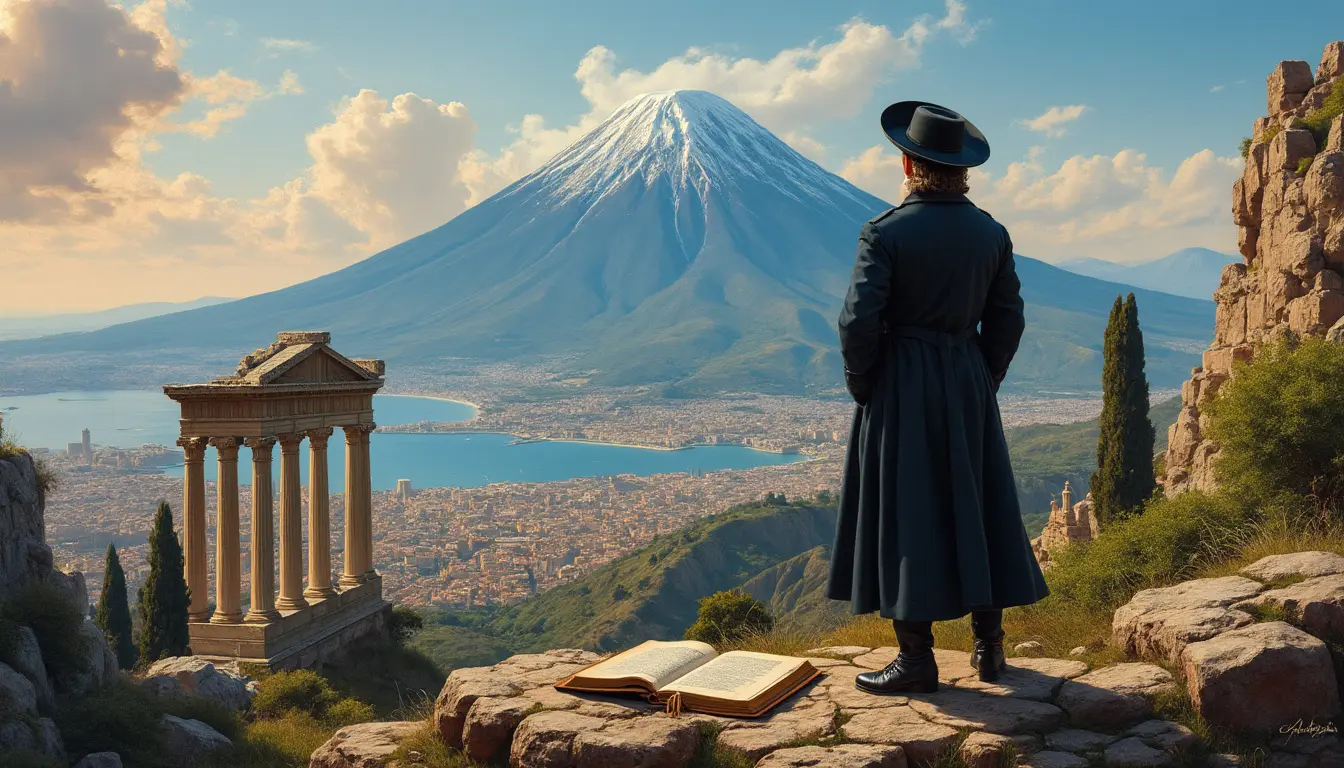
A Celebration of Art and History
As he explores the marble pyramids and delicate sculptures of ancient Rome, Chateaubriand realizes that each monument tells a story, a witness to times past. Through his words, he celebrates not only the art one observes, but also the art of storytelling. The works he praises, and describes with vigor and emotion, are part of an artistic tradition, certainly, but also of a personal quest for truth.
Beauty in all its forms Chateaubriand evokes landscapes bathed in light, where nature is staged in a theatrical manner. His enthusiasm for the art of drawing is evident in his eloquent descriptions, as he skillfully depicts the beauty of the people he encounters and the landscapes boldly sculpted by time. He does not merely portray what he sees; he embodies beauty with his pen, inviting the reader to see the world through his eyes.
Sur le meme sujet
A reflection on temporality
The Influences and Legacy of “Voyage en Italie”
The scope of Chateaubriand’s work extends far beyond his own experience.
Jean-Marie Roulin, by reviving this forgotten masterpiece, opens a path that underscores Chateaubriand’s importance in literary writing and his influence on numerous writers throughout the ages. His reflections on travel, art, and history continue to inspire generations of French authors.
A Glimpse into Italian Culture
Sur le meme sujet
Chateaubriand describes Italy’s rich cultural heritage, its palaces, and the works of its masters, exploring how Italian culture influenced his own literary journey. Each city he visited becomes a field of observation, where he analyzes daily life, customs, and the lessons learned from his encounters. It is this vivid portrayal of the vibrant culture that makes his narrative so compelling.
The Universal Themes of Personal Quest Throughout its pages, universal themes of wandering, nostalgia, and the search for identity emerge. We discover in Chateaubriand a writer, but above all, a man in search of answers to life’s uncertainties. The richness of his experience constitutes a treasure for future readers, offering reflections that go far beyond a simple travelogue. Resources for exploring Chateaubriand’s workTitle
Type
Link
Journey to Italy
Books
Sur le meme sujet
Buy here
| Jean-Marie Roulin edition | Books | Discover the edition |
|---|---|---|
| The True Story of Chateaubriand | Documentary | Watch the documentary |
| Chateaubriand: New Critical Perspectives | Articles | Explore the reviews |
| Chateaubriand’s Discovery of Italy | Exhibition | Visit the exhibition |
| https://www.tiktok.com/@/video/7264423143182208298?u_code=dbbb84i947kf06&share_item_id=7264423143182208298&share_app_id=1233 | Through Chateaubriand’s work, readers are gradually immersed in a captivating literary adventure. His journey to Italy, written with a passionate pen, still resonates today, enriching the literary landscape and sparking discussions about art, history, and the nature of human experience. This literary escape remains a precious example of French literature and a model of introspection for those seeking to understand the world around them. | |


Post Comment