Climate misinformation is rampant in some French audiovisual media.
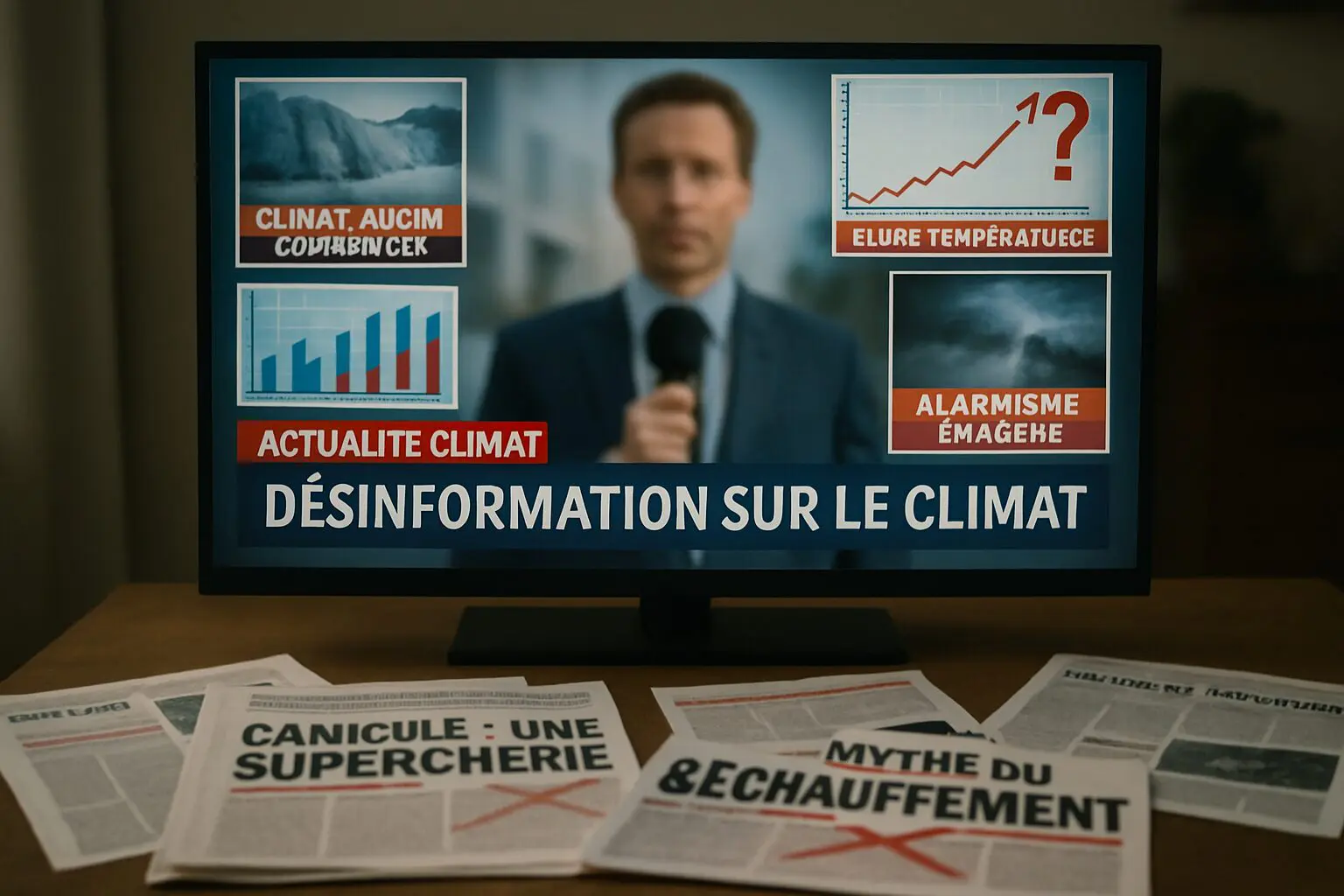
Climate misinformation is a hot topic, and a recent study has revealed alarming gaps in the French media landscape. This phenomenon is not limited to social media but has also taken root in broadcast media, where high-profile channels sometimes disseminate misleading information about the climate crisis. By analyzing the news programs of major television and radio stations, several non-governmental organizations (NGOs) highlighted a total of 128 cases of misinformation during the first quarter of 2025. What is most striking is the scale of this deception and its impact on public debate. Climate: Numerous cases of misinformation in the media
The media play a leading role in shaping public opinion. However, with the rise of climate change denial movements, the quality of the information disseminated is often called into question. The study conducted by the NGOs Data for Good, QuotaClimat, and Science Feedback closely examined French television and radio channels to determine the extent of misinformation. More than 600 hours of programming were analyzed, and the results are alarming.
Discover how climate misinformation spreads in certain French audiovisual media outlets, its consequences, and the implications of this reality. Educate yourself to better understand the real environmental challenges we face.
🔄
- Denial of the human origin of the climate crisis 💡 Misinformation about renewable energies and their effectiveness
- 🚗 False claims about electric vehicles and their environmental impact Thus, nearly ten confirmed cases of disinformation are detected each week. The most frequently cited channels include familiar names such as CNews and Sud Radio, which together account for almost 50% of the identified cases. These findings raise questions about the media’s responsibility in disseminating information on such crucial issues.
- An impact on public debate The media’s influence on public opinion is undeniable. When incorrect or biased information is relayed, it can have profound consequences on the perception of climate issues. Figures like Charles Terroille, project manager at Science Feedback, warn that this situation constitutes a real “wake-up call.” Jean Sauvignon, of QuotaClimat, also notes that this phenomenon raises questions about democratic integrity, as access to reliable information is essential for forming an informed opinion.
Channel
Percentage of Disinformation Cases
| CNews | 25% |
|---|---|
| Sud Radio | 22% |
| France Télévisions | 15% |
| Radio France Internationale | 10% |
| France Inter | 8% |
| Le Monde | 5% |
| Les Echos | 5% |
| Libération | 5% |
| Canard Enchaîné | 5% This oversight of channels reveals that even those considered “reliable” by the public are not exempt from questionable practices. This widens the gap between scientific information and information disseminated to the general public, risking undermining citizens’ trust in the media. |
| https://www.youtube.com/watch?v=GuLcDNoiu0g |
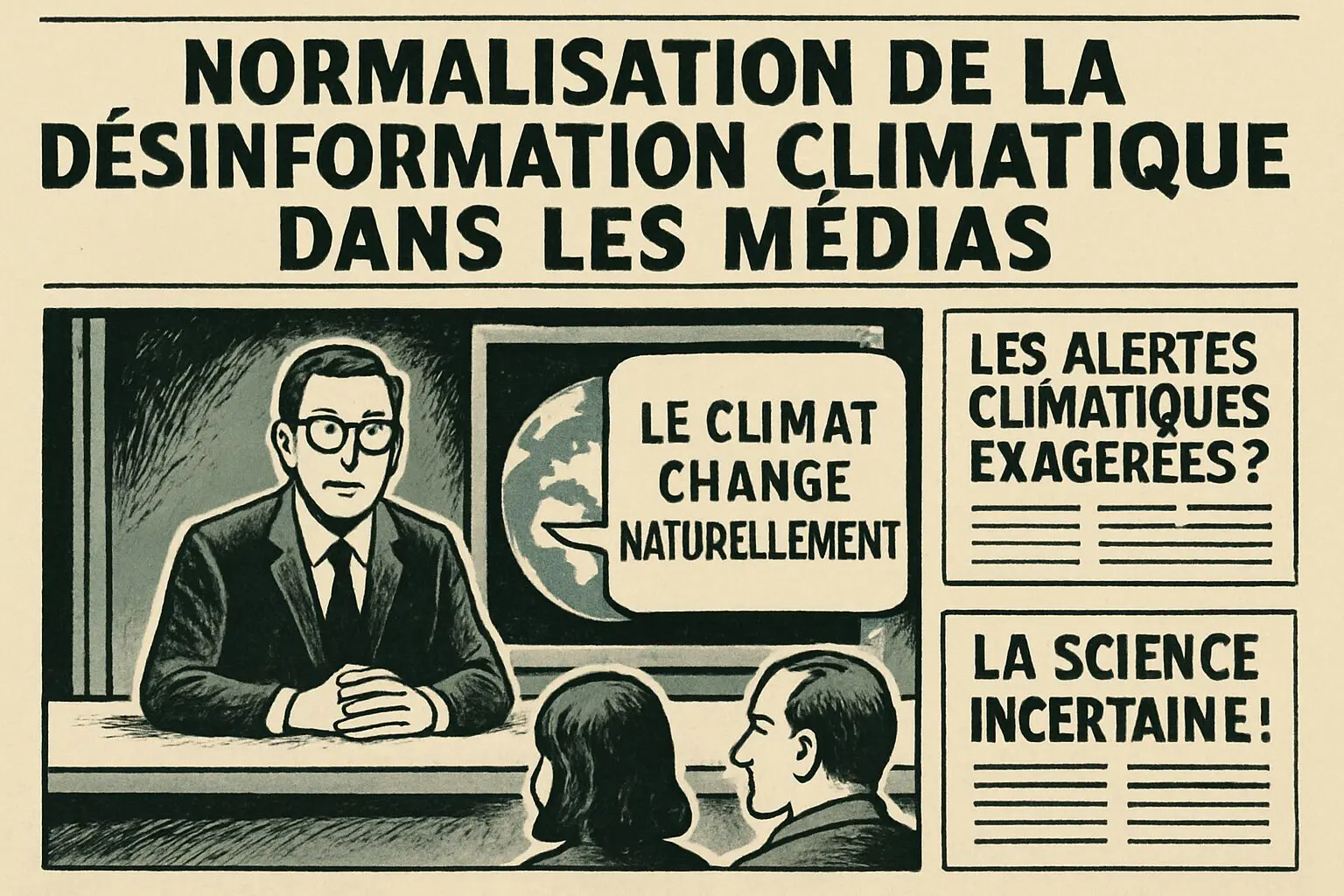
The Normalization of Climate Disinformation
Sur le meme sujet
The recurring cases that emerge testify to this concern. The fight against disinformation therefore also requires educating journalists and media outlets about their responsibilities. The dissemination of false information on critical subjects such as climate change can have harmful effects that are not limited to simple disinformation but also affect the health of democracies themselves.
Discover how climate disinformation is spreading in certain French audiovisual media. Analysis of the impacts on the public perception of environmental issues and solutions to counter this trend.
To illustrate these points, several examples emerge from analyses carried out by NGOs. Here are a few examples:
- 📉 A report downplaying the impact of renewable energy on reducing carbon emissions.
- 🌍 Misleading statements about carbon sequestration, calling certain practices ecological miracles.
| 🚧 Claims that vegetarianism worsens climate change, dismissing studies on the carbon footprint of food. | Case of misinformation | |
|---|---|---|
| Content type | Channel | Renewable energy downplaying |
| Report | CNews | Carbon sequestration |
| Interview | Sud Radio | Impact of vegetarianism |
Debate
Sur le meme sujet

These examples demonstrate how crucial it is for the public to have access to accurate and balanced information, especially when the stakes are as high as those related to the climate crisis. The media must therefore not only disseminate information but also verify its accuracy and relevance to contribute to an informed public debate.
Climate Disinformation: Groundbreaking Study Highlights Shortcomings
A recent study has revealed significant shortcomings in media coverage of climate issues. A careful review by a consortium of organizations including Data for Good, QuotaClimat, and Science Feedback uncovered gaps in reporting, highlighting instances where the balance between scientific and climate-skeptic viewpoints is not maintained. The conclusions are clear: disinformation is part of the media landscape and requires strategic reform.
- The report demonstrates not only the extent of the disinformation but also its systemic nature. For example, media outlets such as Les Echos and Libération, known for their seriousness, have also been criticized for reporting information without the necessary factual rigor.
- Towards Better Informativeness
| It is absolutely urgent to promote initiatives aimed at strengthening the informativeness and accountability of the media. Here are some avenues to explore: | 💪 Increase training for journalists on climate issues. |
|---|---|
| 🔍 Establish a strict code of ethics for the handling of climate information. | |
| 📣 Promote investigative media that emphasize fact-checking. | |
| Initiative | Objective |
Training for journalists
Sur le meme sujet

Code of ethics
Reduce disinformation
Investigative media
Promote fact-checking
This list is not exhaustive, and other options exist to reverse this trend. Ensuring that climate information is both accurate and comprehensive is essential to maintaining public trust in the media.
- https://www.youtube.com/watch?v=oqoh3jwsFhI The Media’s Responsibility in Combating Disinformation
- Audiovisual media must play a leading role in combating disinformation. As information carriers, their responsibility is not only to relay news but also to verify it. In the face of the climate crisis, expressing opinions based on solid facts is crucial. This requires hard work not only to inspire confidence but also to raise the public’s level of understanding. The media are often the public’s first point of contact with environmental issues. In this sense, they must act with a strong sense of duty, ensuring that the information they disseminate does not compromise collective well-being. By relying on diverse and verified sources, television and radio stations can help demystify the concepts surrounding climate change and move the debate forward in a constructive direction. Diversity of Sources: A Guarantee of Informative Richness
- To guard against factual toxicity, it is vital that the media diversify their sources of information. Here are some benefits of this approach: 🌐
| Broadening Perspective: A plurality of voices leads to a more comprehensive view of climate issues. | |
|---|---|
| 📊 | Improved Information Quality: By multiplying sources, the veracity and reliability of information are increased. |
| 💬 | |
| Encouraging Debate: A range of opinions fosters a richer and more nuanced discussion. |
Benefit


Post Comment