When culture becomes a social weapon: Jordan Bardella and the snobbery surrounding Chateaubriand

Addressing the issue of culture as a social weapon requires reflecting on how certain political actors exploit literary and historical references to construct their image and legitimacy. Jordan Bardella, president of the National Rally, recently invoked the figure of François-René de Chateaubriand, the famous French writer and politician, sparking controversy and debate about his legitimacy in citing this literary giant. This situation highlights the cultural snobbery that can accompany contemporary political discourse.
Jordan Bardella and Chateaubriand: A Symbolic Choice Laden with Meaning
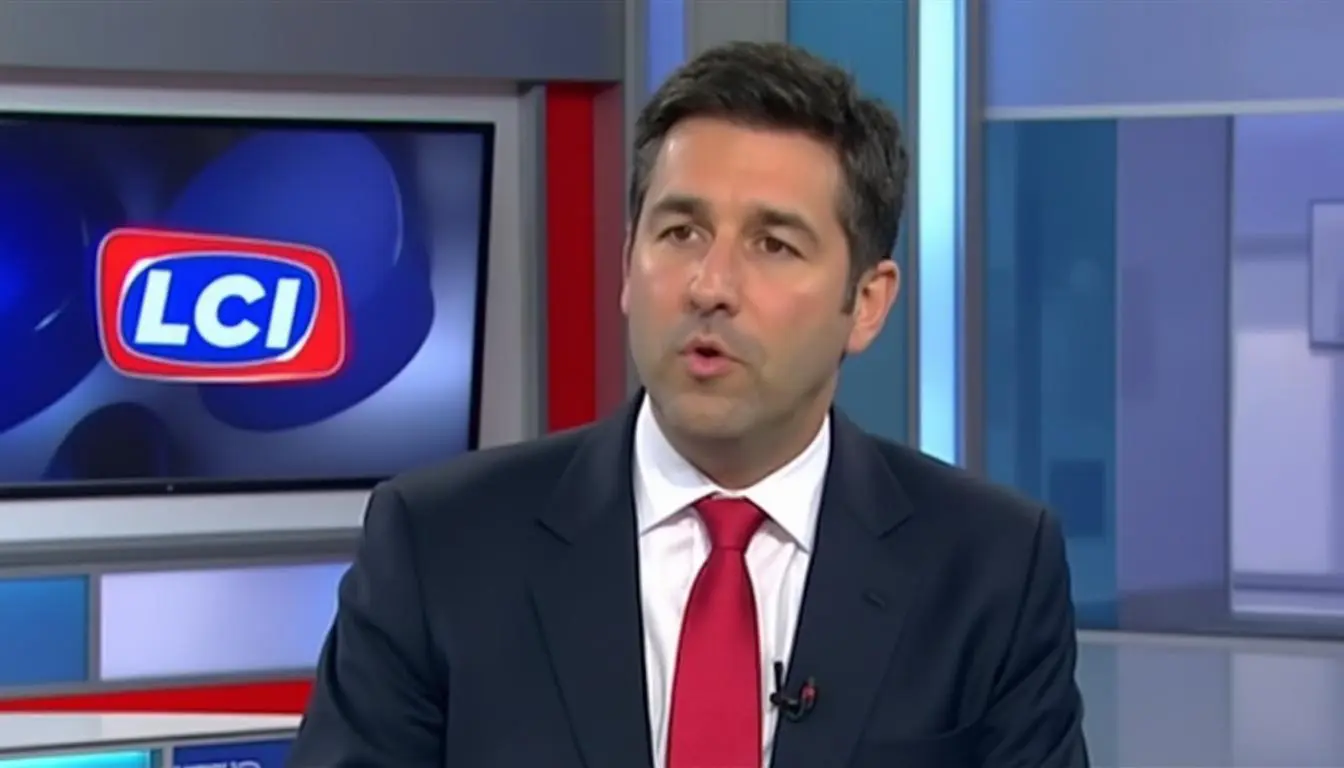
Jordan Bardella revealed his admiration for Chateaubriand, citing him as an emblematic figure of his literary inspiration. In an interview on LCI, he spoke of his fascination with the author of “Memoirs from Beyond the Grave” and even compared his work to literary masterpieces. But this choice raises questions about its authenticity and the image he seeks to project. What makes this statement particularly interesting is the context in which it was made. Bardella, as a young political leader, sought to assert his culture and historical knowledge, using Chateaubriand as a symbol of intellectual depth. However, the public reaction was mixed: many critics questioned his ability to truly understand the literary works he quoted.
Criticism and reactions to his quote
- Following his statement, several voices were raised to question his literary integrity. Figures on the left, such as the socialist André Vallini, expressed their contempt, questioning Bardella’s ability to appreciate the complexity of “Memoirs from Beyond the Grave.” Mockery and skepticism spread across social media, where his supposed lack of knowledge was emphasized. Criticism ranged from simple derision to harsh judgments about his intellect. André Vallini: “Poor Jordan Bardella is trying to create an illusion.”
- Étienne Klein: “Did you retain anything from your reading?” Claude Weill: “He’s reciting poorly digested notes.” These opinions further illustrate the cultural divide that exists in France, where culture sometimes becomes a tool of social division. This situation fuels a discourse on the accessibility of culture, which, according to some, should be the prerogative of everyone and not the exception of a supposedly cultured elite.
- The instrumentalization of culture by politics
The question of the use of literary figures like Chateaubriand by politicians points to a broader problem: how can culture be exploited for political ends? This instrumentalization can be seen as a way to establish legitimacy, but also to create divisions within society. If we consider figures like Chateaubriand, we note that his work champions values of freedom, passion, and humanism, which are not necessarily aligned with contemporary discourses of social exclusion. This raises essential questions: what form of culture do these leaders choose to promote? Are they truly in tune with the spirit of the works they cite?
Sur le meme sujet
This suggests that many politicians primarily use culture as a communication tool. This echoes past rhetoric, where cultural references were systematically chosen to appeal to certain segments of the population. On the one hand, they seek to enhance their image with the elites, while on the other, they aim to appeal to a popular electorate.
Impacts on society and public perceptions
The Bardella case reveals two important aspects of public perception: firstly, the need for some leaders to flatter the culturally educated electorate; secondly, the alienation of the working classes, often sidelined in this discourse. Cultural snobbery, in other words, only widens the gap between those who have access to culture and those who are excluded from it.
Tendency towards polarization
: Opinions on Bardella reveal a deep divide between social classes through the evaluation of cultural references. Media Coverage
- : The media response to his remarks amplified this phenomenon, making culture even more inaccessible to the uninitiated. Ultimately, Bardella’s portrayal of figures like Chateaubriand seems to contribute to a broader debate on national identity and the values that France upholds through its historical and literary figures.
- Discover how Jordan Bardella uses culture as a social weapon, analyzing the snobbery surrounding Chateaubriand and its implications for contemporary debate. Cultural Snobbery: A Political Issue?
Cultural snobbery is not a new phenomenon, but it has acquired a new dimension in the current political context. Bardella’s statements about Chateaubriand highlight how culture is sometimes used as a social weapon to create hierarchies within society.
Sur le meme sujet
Analysis of Contemporary Political Discourse
The analysis of contemporary discourse reveals that many political leaders use cultural references to position themselves, often at the expense of cultural diversity. By quoting Chateaubriand, Bardella is not simply commemorating an author; he is creating a symbolic link between himself and his audience, as if he were trying to establish a cultural legitimacy that his detractors claim he lacks. This need for cultural legitimacy in political discourse can have several impacts:
Cultural Elitism
: Political leaders may give the impression that only a certain class is capable of understanding or appreciating culture. Effect of contempt
: This discourse can marginalize those who do not share the same cultural references, thus reinforcing social divisions.
- Political polarization : Culture becomes a tool of polarization, where groups define themselves in relation to one another through their cultural references.
- These phenomena underscore the importance of open dialogue on cultural and political issues, in order to recreate a space where culture is once again accessible to all, regardless of social class. A troubling conclusion on the future of culture in politics
- Considering Jordan Bardella’s case and his approach to culture, it is essential to reflect on the future of the relationship between culture and politics. How will these interactions shape future discourses? Instead of serving as a bridge between different social classes, culture risks becoming a new tool of exclusion if it continues to be twisted for political ends. For culture to regain its role as a tool for unity, it is imperative to encourage discussions that do not confine individuals to closed circles. Chateaubriand, beyond his intellectual work, should serve as a model of cultural accessibility for all, not as a symbol of elitism. This return to accessible culture could allow us to move towards a society where cultural references are not a weapon, but a gateway to dialogue and mutual understanding.
Discover how Jordan Bardella uses culture, particularly the work of Chateaubriand, as a social lever, revealing the mechanisms of snobbery and exclusion.
Sur le meme sujet


Post Comment